Identify climate-related risks and vulnerabilities affecting the county
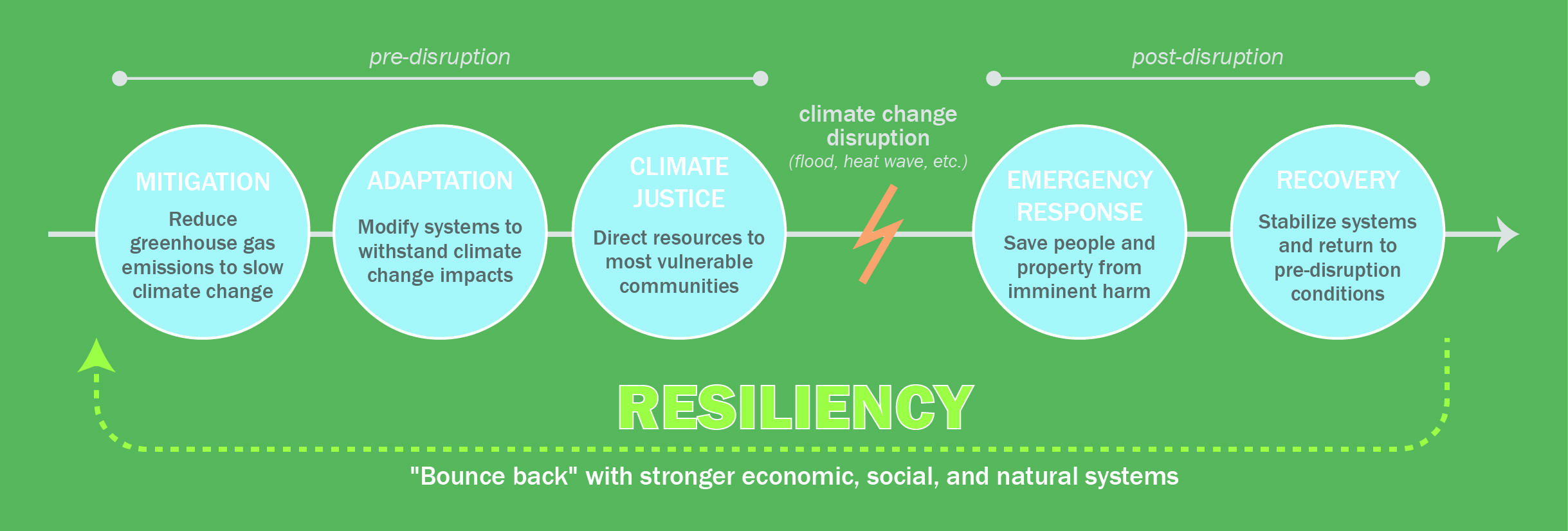
Chautauqua County is already experiencing the impacts of flooding, severe storms, and changing climate conditions that threaten important social, economic, and environmental resources. The Countywide Resiliency Plan (CRP) will help communities prepare for these challenges by identifying key vulnerabilities and outlining practical strategies to not only protect infrastructure, natural assets, and quality of life, but also to recover more quickly from hazard events and rebuild stronger than before.
Building on past planning efforts and input from local municipalities, residents, and stakeholders, the CRP will serve as a guide for future decision-making - helping to prioritize projects, foster partnerships, and position the County to secure funding for resiliency improvements. Ultimately, this effort will support a stronger, safer, and more adaptable Chautauqua County for years to come.
Purpose of Resiliency Plan
-
-
Evaluate how those risks may impact people, infrastructure, natural resources, and the local economy
-
Develop practical resilience and adaptation strategies to reduce long-term climate impacts
-
Support coordinated planning and decision-making among local, regional, and state partners
-
Promote sustainable actions that strengthen community resilience for future conditions
Timeline
-
Timeline item 1 - complete
Project Kick-Off
Spring 2026
-
Timeline item 2 - active
Community Outreach & Engagement Plan
Spring 2026
-
Timeline item 3 - incomplete
Vision Statement & County Profile/Inventory Assets
Summer 2026
- In-Person Community Visioning Workshop
- Online Quick Poll
-
Timeline item 4 - incomplete
Strategies, Recommendations, & Opportunities
Fall 2026
- Community-Wide Survey
- Online Interactive Map
-
Timeline item 5 - incomplete
Identify Projects & Implementation Actions
Winter 2026-2027
- In-Person Open House
- Online Budgeting Tool
-
Timeline item 6 - incomplete
Draft Resiliency Plan
Winter 2026/27
- Hybrid Public Meeting
-
Timeline item 7 - incomplete
Final Countywide Resiliency Plan
Spring 2027
Meet the Key Players!
The Project Team consists of select members of the Chautauqua County Department of Planning and Development team.
The Project Team is responsible for administering the CRP process by convening the Resiliency Advisory Committee (RAC) and serving as the primary project contacts. Members of the Project Team include:
- Rebecca Wurster, Planning Coordinator
- Courtney Domst, Senior Planner
- Emma Cook, Senior Planner
The RAC is an advisory group made up of representatives from key County departments and partners. It facilitates cross-departmental coordination and ensures the CRP reflects both County and broader community priorities. The RAC is responsible for participating in progress meetings, reviewing draft deliverables, and informing next steps. Members of the RAC include:
- Dave McCoy, Watershed Coordinator, Chautauqua County Department of Planning & Development
- Jessica Worsley, Director, Chautauqua County Environmental Health Division
- Noel Guttman, Director, Chautauqua County Office of Emergency Services
- Vince DeJoy, Director, City of Dunkirk Department of Planning & Development
- Jason Kulaszewski, Principal Planner, City of Jamestown Department of Development
- Whitney Gleason, Executive Director, Chautauqua Watershed Conservancy
- Cassandra Pinkoski, Grant Specialist, Chautauqua County Soil & Water Conservation District
The NYS Department of State (DOS) administers the State's Countywide Resilience Planning (CRP) program, providing funding, technical guidance, and oversight to support plan development and coordination across state and local partners.
- Karen Catcher, Great Lakes Technical Specialist
The Consultant Team is responsible for managing day-to-day project tasks, facilitating and assessing public input, developing Plan content, and supporting the process with technical expertise. Members of the Consultant Team include:
- Barton & Loguidice
- 4ward Planning
The CRP is meant to serve you - our community members! Chautauqua County residents, business owners, and landowners are heavily encouraged to participate in this process. Several opportunities to provide input will be offered throughout the plan development process, including public workshop, comment forms, and plan review periods. Input received from community members will be used to identify key hazard risks and vulnerabilities, establish a vision for the County, and shape proposed projects.